What is Continuous Glucose Monitoring?
Continuous glucose monitoring, or CGM, is a way to track your blood sugar levels all day and night. Unlike finger-prick tests, CGM gives you real-time updates. This means you can see how your blood sugar changes throughout the day. Many people with diabetes use CGM to manage their health better. According to the CDC, CGM is becoming more common for both children and adults with diabetes.
How Does CGM Work?
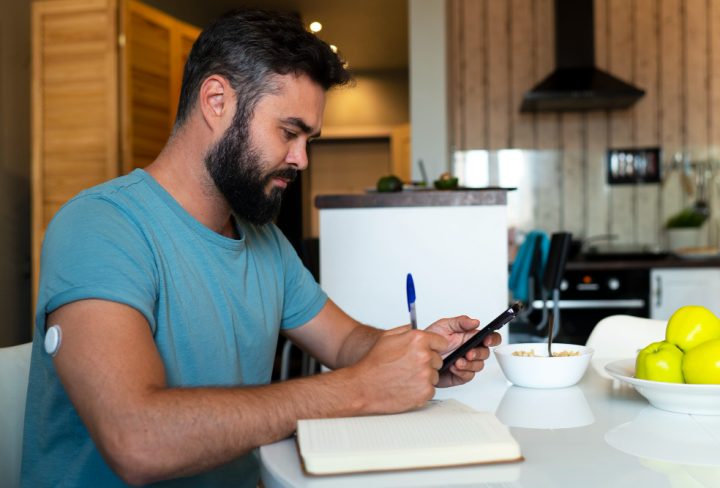
CGM uses a small sensor placed under your skin. The sensor checks your glucose levels every few minutes. Then, it sends this information to a device or smartphone. Because of this, you can see your blood sugar trends in real time. Most CGM systems have alarms to alert you if your levels are too high or too low. Some devices even connect to insulin pumps for easier management.
Benefits of Continuous Glucose Monitoring
There are many reasons people choose CGM. For example, it helps you spot patterns in your blood sugar. Also, it can warn you about dangerous highs or lows before you feel symptoms. Here are some key benefits:
Who Should Consider CGM?
Not everyone needs continuous glucose monitoring. However, it can be very helpful for certain people. You may want to consider CGM if you:
In some areas, insurance may cover CGM for those who meet certain criteria. Always check with your healthcare provider and local guidelines.
How to Use a CGM Device
Using a CGM device is simple, but you should follow the instructions closely. First, you place the sensor on your skin, usually on your belly or arm. Next, you connect the sensor to a transmitter. This transmitter sends data to a receiver or your phone. You will need to change the sensor every 7 to 14 days, depending on the brand. Remember, you may still need finger-prick tests to confirm some readings. Here are some tips for using CGM:
Potential Limitations and Risks
While CGM is helpful, it is not perfect. Sometimes, the sensor readings may not match your blood test results. This can happen if the sensor is not placed correctly. Also, sensors can cause mild skin irritation or discomfort. In rare cases, the device may give false alarms. Because of these reasons, you should always double-check with a finger-prick test if you feel unsure. Talk to your doctor about any concerns.
Lifestyle Guidance for CGM Users
Once you start using CGM, you may need to adjust some habits. For instance, you should check your device often, especially before meals or exercise. Also, keep a record of your readings to share with your doctor. Here are some helpful tips:
With these steps, you can make the most of your CGM device.
Prevention and Early Detection of Glucose Fluctuations
CGM helps you catch changes in your blood sugar early. Because of this, you can act before problems start. For example, if your device alerts you to a drop, you can eat a snack right away. Or, if you see a steady rise, you can adjust your insulin or activity. Early action can prevent serious health issues. The World Health Organization notes that early detection is key to good diabetes care.
Conclusion
Continuous glucose monitoring offers many benefits for people with diabetes. It gives you real-time blood sugar tracking and helps you avoid dangerous highs and lows. However, it is important to use the device correctly and talk to your doctor about any concerns. Consult a healthcare specialist to learn if continuous glucose monitoring is right for you.