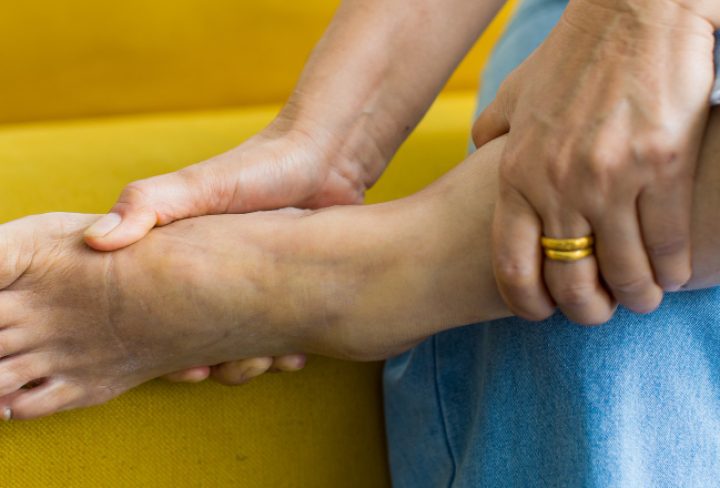
What Is Diabetic Neuropathy?
Diabetic neuropathy is a type of nerve damage that happens in people with diabetes. High blood sugar can harm nerves over time. Because of this, many people with diabetes may feel pain, numbness, or tingling, especially in their feet and hands. In fact, diabetic neuropathy is one of the most common problems linked to diabetes. According to the CDC, about half of people with diabetes will develop some form of nerve damage.
Common Symptoms of Diabetic Neuropathy
Symptoms can vary, but most people notice them in their legs and feet first. However, symptoms may also affect other parts of the body. Early detection is important, so watch for these signs:
Sometimes, diabetic neuropathy can also affect digestion, urination, or sexual function. If you notice any of these symptoms, talk to your doctor.
Main Causes and Risk Factors
Diabetic neuropathy develops mainly due to high blood sugar levels over time. But, other factors can also play a role. Here are the main causes and risks:
Because these risks add up, managing diabetes well can help lower your chances of nerve damage.
How Is Diabetic Neuropathy Diagnosed?
Doctors use several methods to check for diabetic neuropathy. First, they ask about your symptoms and medical history. Next, they do a physical exam. Often, they check your feet for feeling, reflexes, and muscle strength. In some cases, doctors may use special tests, such as:
Early diagnosis helps prevent serious problems, so regular check-ups are important.
Treatment for Diabetic Neuropathy
While nerve damage cannot always be reversed, treatment can help manage symptoms and slow the problem. Here are common treatment options:
Medical Treatments
Lifestyle Changes
Because each person is different, your doctor will help choose the best plan for you.
Prevention Tips
Although diabetic neuropathy is common, you can lower your risk. Try these steps:
With these habits, you can protect your nerves and overall health.
Self-Care and Daily Lifestyle Guidance
Living with diabetic neuropathy can be challenging, but self-care helps. For example, check your feet every day for cuts, blisters, or sores. Always wear comfortable shoes and socks. If you notice any changes, tell your doctor right away. In addition, keep your blood sugar steady and follow your treatment plan. Try to stay active, as movement can improve blood flow and reduce pain. Finally, ask your healthcare team for support if you feel sad or stressed.
When to See a Doctor
If you have diabetes and notice new pain, numbness, or sores, see your doctor soon. Early treatment can prevent serious problems, such as infections or foot ulcers.
Conclusion
Diabetic neuropathy is a serious but manageable condition. With the right care, you can reduce symptoms and protect your nerves. Consult a healthcare professional for personalized advice on diabetic neuropathy.