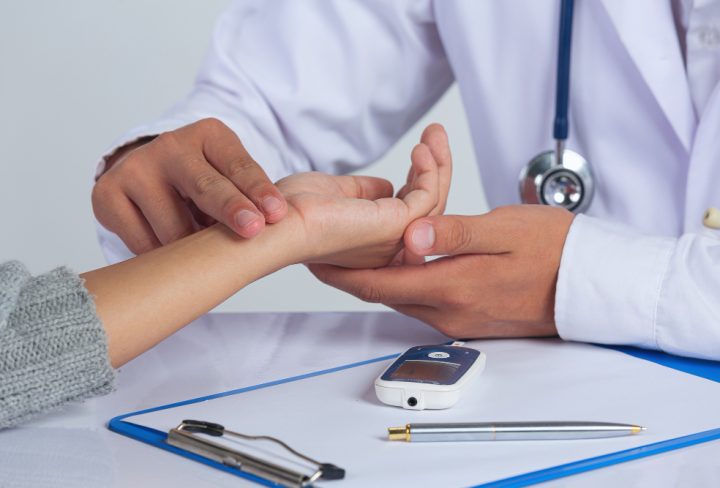
Winter dehydration is a hidden risk, especially for people with diabetes. During cold weather, we may not feel as thirsty, but our bodies still lose water. This can make managing diabetes in winter more challenging. People with diabetes are more likely to get dehydrated, which can affect blood sugar levels. Knowing the signs of dehydration in diabetics and learning how to prevent dehydration during cold weather is important for good health.
What is Winter Dehydration?
Many people think dehydration only happens in hot weather. However, it can also occur in winter. Cold air is often dry, which causes our bodies to lose water through breathing and skin. In winter, we may sweat less, but we still lose fluids. Because we do not feel as thirsty, we may drink less water. This can lead to winter dehydration, even if we do not notice it right away.
Why Are People with Diabetes at Higher Risk?
People with diabetes need to watch their blood sugar levels closely. High blood sugar can cause the body to lose more water through urine. In winter, this risk increases because we may not drink enough fluids. Also, some diabetes medicines can make dehydration worse. For these reasons, people with diabetes must pay extra attention to their fluid intake during cold months.
Common Symptoms of Dehydration in Winter
It is important to recognize the signs of dehydration early. In winter, symptoms can be mild or easy to miss. Watch for these signs:
If you notice these symptoms, you may be dehydrated. For people with diabetes, these signs can also affect blood sugar control.
How Dehydration Affects Blood Sugar Control
Dehydration can make blood sugar levels go up. When you lose water, your blood becomes more concentrated. This means your blood sugar can rise, even if you eat the same foods. High blood sugar can also cause you to urinate more, which leads to more water loss. This cycle can make diabetes harder to manage, especially in winter.
Diagnosis and Warning Signs
Doctors can check for dehydration with a physical exam and simple tests. However, you can watch for warning signs at home. If you feel very thirsty, have dry skin, or notice changes in urination, take action. For people with diabetes, sudden changes in blood sugar may also signal dehydration. Always check your blood sugar if you feel unwell.
Practical Tips for Prevention
Staying hydrated in winter is possible with a few simple steps. Try these tips:
By following these steps, you can help prevent dehydration during cold weather.
Lifestyle Guidance for Diabetics in Winter
Managing diabetes in winter takes extra care. Besides drinking enough water, you should:
These habits can help you stay healthy and avoid winter dehydration.
When to Seek Medical Help
Sometimes, dehydration can become serious. Seek medical help if you:
Early treatment can prevent complications. Do not wait if you feel very unwell.
For more information, you can visit trusted sources like the CDC and WHO. They offer helpful advice on diabetes and hydration.
Consult a healthcare specialist for personalized advice on managing diabetes and hydration during winter.